CM Platform Maintenance: What to Review When Your Service Process Changes
When your service process changes, review the points where inquiries are received, qualified, turned into estimates, and followed up. Map the current steps, identify what changed, and prepare specific questions for a CM platform check-in. This helps you discuss whether the available workflow still fits, without assuming that every process change requires a new tool or feature.
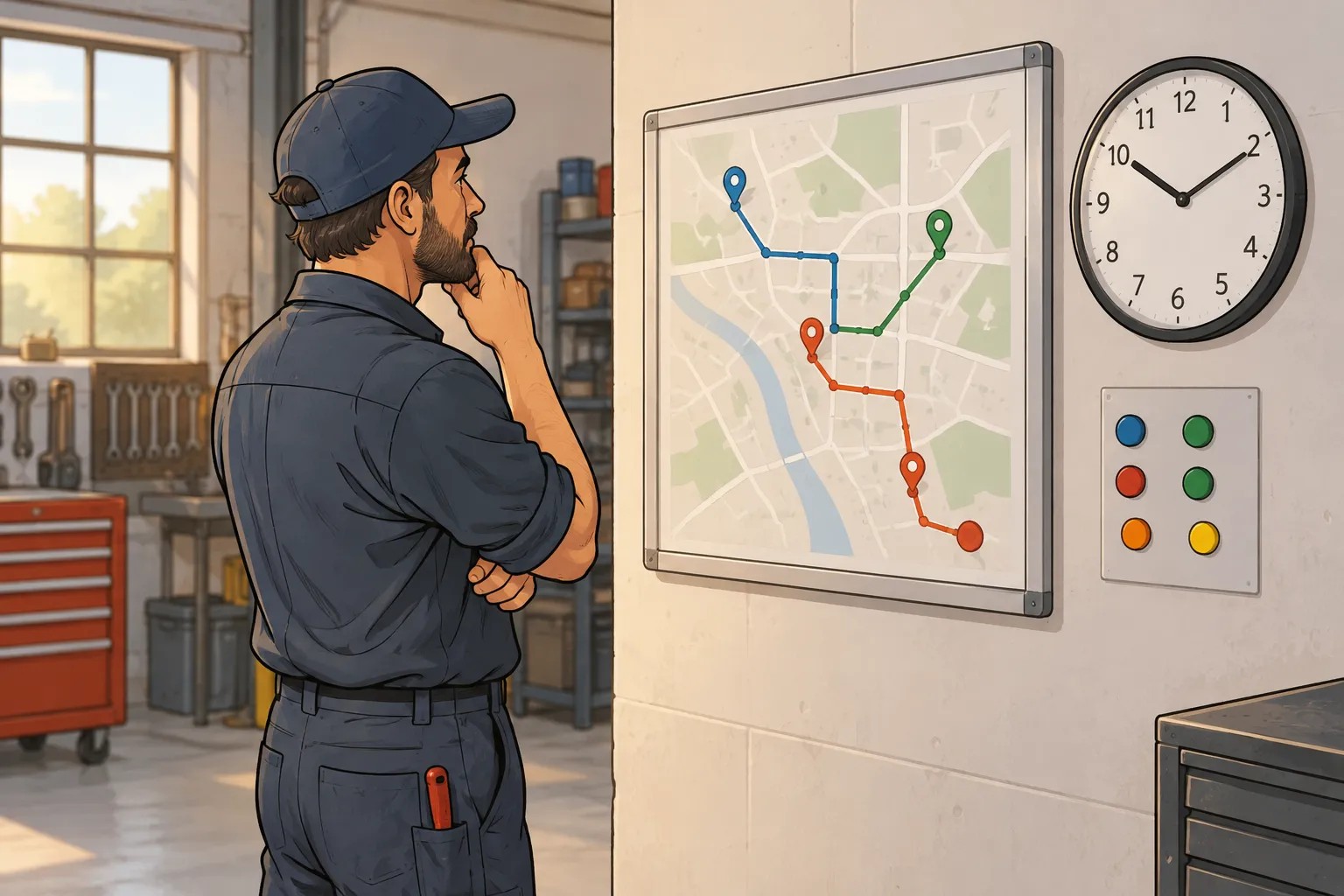
When your service process changes, review the handoffs: how inquiries arrive, what information your team records, how estimates are prepared, and who follows up. Compare the old and new process, note where details or ownership may be unclear, and bring those examples to a platform check-in. The goal is to decide what needs updating and what can stay as it is.
Start with the change, not the software
A new service, a different way of booking, a change in who handles calls, or a revised estimate process can affect the steps around customer inquiries. Before changing a platform workflow, describe the business change in plain language. What happens now that did not happen before? Which person or team handles it? At what point does the customer need an update? These questions help distinguish a real process change from a temporary busy period or an isolated exception.
Write down the current path from first contact to the next agreed customer step. Keep it brief: inquiry received, details collected, estimate prepared, response sent, and follow-up assigned, for example. Then mark what has changed. This is a practical map, not a claim that every business follows the same sequence. A cleaning company may need to confirm property details before estimating; a repair business may first need to understand the requested work. The right sequence depends on the service and the way the business operates.
- What changed in the service, booking, staffing, or estimate process?
- Which customer-facing step is different, and who owns it now?
- Is the change permanent, a trial, or a one-off exception?
Compare the workflow before and after
A side-by-side comparison can show whether the platform needs attention. Focus on the information and handoffs your team actually uses, rather than adding fields or stages simply because they are available. Check whether a new service requires different inquiry details, whether an estimate now depends on an extra conversation, and whether the person responsible for follow-up has changed. If the process is still being tested, label it as provisional so the team does not mistake a draft for a settled routine.
For example, imagine a landscaping business that begins offering seasonal cleanups alongside recurring maintenance. This is an illustrative scenario, not a report of a CM customer or project. The team might decide that cleanup inquiries need a requested service date and a description of the property, while recurring maintenance inquiries need a preferred schedule. Before changing its workflow, the owner could check whether those details are already captured, whether the estimate step differs, and who will respond when information is missing. The example helps frame questions; it does not imply a particular platform feature is available.
| Review point | Before | After |
|---|---|---|
| Inquiry details | What information did the team collect? | What new details are needed to understand the request? |
| Estimate handoff | Who prepared or reviewed the estimate? | Has the owner, sequence, or information needed changed? |
| Follow-up | Who handled the next customer contact? | Is responsibility or the expected next step different? |
Decide what to update and what to leave alone
Not every change calls for a platform adjustment. Some changes may only require a team reminder or a clearer description of who handles the next step. Others may affect the way inquiries are grouped, what information is recorded, or how an estimate request moves between people. Separate these possibilities before asking for changes. That keeps the discussion focused and makes it easier to explain the business need without assuming a particular feature or configuration exists.
A useful review note has three parts: the current step, the problem or uncertainty, and the outcome the team needs. For instance: “We now offer two types of service; we need to tell those requests apart before preparing an estimate.” That is more actionable than “the app needs an update.” If the issue is unclear ownership, name the handoff and the person or role that should take the next action. If the issue is missing information, identify what is needed and when. Keep customer communication consistent with the process your business has actually chosen.
- Describe the changed step in one sentence.
- Identify the information, handoff, or follow-up affected.
- Separate a confirmed process from a trial or exception.
- State what the team needs to do next, without assuming a feature.
Prepare a focused platform check-in
Bring a short workflow map, one or two representative examples with personal details removed, and a list of questions. Ask which currently available tools fit the process, what would remain manual, and whether the proposed change affects onboarding or the plan being discussed. Availability can vary, so confirm the current options with the CM team rather than relying on an assumption based on an older conversation or a general description of an app.
CM plan enrollment and app access are arranged manually with the team through guided onboarding, and current feature availability can be discussed with them. The CM subscription and advertising-platform spend are separate costs; a workflow review should not blur those into one expense. If you are considering a change, explain the process first and ask what is currently available and what next steps apply. You can review the [CM platform and guided onboarding](https://cmlaplata.ar/platform/) information before raising your questions. Results from any marketing or follow-up process vary with the business context, offer, audience, and the way the team carries it out.
- Summarize what changed and when the new process should apply.
- Show the old and proposed steps, including who owns each handoff.
- Ask which current platform options fit and what remains outside the platform.
- Confirm any plan, access, or onboarding implications with the CM team.
- Agree internally on the process to test, then review whether it is clear to the team.
A useful maintenance review starts with the service process. Map the change, identify the affected handoffs, and ask the CM team about current options before deciding whether the platform workflow needs an adjustment.

Common questions
How often should I review the workflow?
Review it when a meaningful change affects how inquiries are received, estimates are prepared, or follow-up is assigned. You can also revisit it when the team repeatedly encounters the same unclear handoff. There is no universal schedule that fits every service business. Keep the review proportionate: a small change may need a brief team clarification, while a change affecting several steps may merit a fuller check-in.
What should I share during a platform check-in?
Share a concise description of the change, the current and proposed steps, the role responsible for each handoff, and the specific information the team needs to capture. Use illustrative or anonymized examples rather than unnecessary customer details. Ask what features are currently available, what would still be handled manually, and whether the change affects onboarding or the plan under discussion. Confirm next steps with the CM team.
 Contact us on WhatsApp ↗