
Practical Checklist for Tracking Advertising Budgets Separately from Platform Costs
Learn how to manage your advertising expenses independently from your CM subscription with this practical checklist. Understand the distinct costs involved, how to track them properly, and steps to optimize your budget control for your service business.
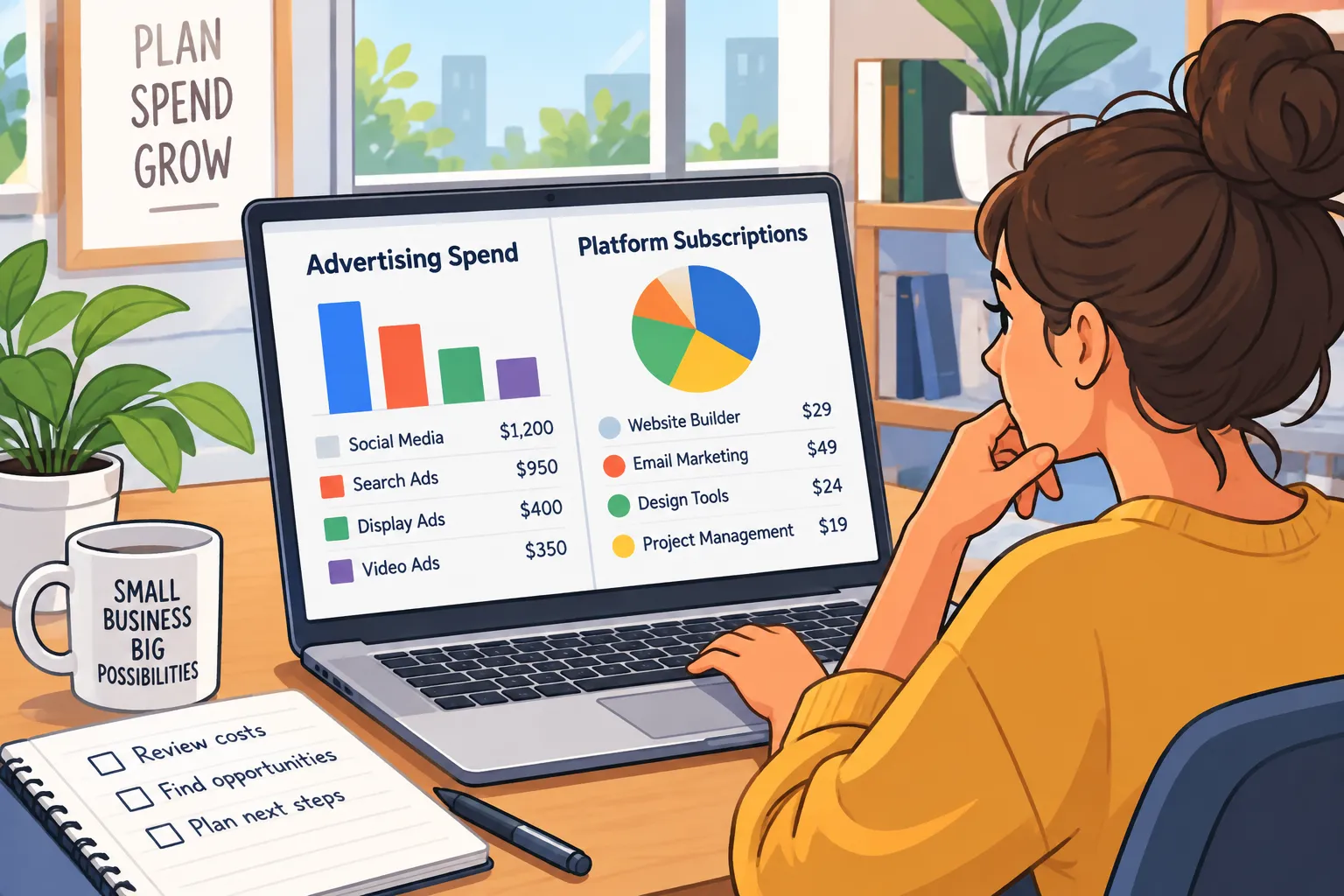
Managing advertising budgets separately from platform costs is essential for small service businesses aiming to optimize their marketing spend. Advertising costs include the money paid directly to platforms like Google or Meta for ad placements, while platform costs refer to subscription fees for tools such as the CM platform that help organize inquiries, prepare estimates, and manage customer follow-up. Keeping these expenses distinct helps you understand where your money goes and make informed decisions about your marketing strategy.
Start by listing all the costs involved in your advertising efforts: the ad spend billed by platforms, management fees for campaign setup and optimization, creative production costs, landing page development, tracking and analytics tools, and the subscription fees for platforms like CM La Plata. This comprehensive view prevents underestimating your total marketing budget.
Track each cost category separately using spreadsheets or budgeting software. Record monthly amounts, due dates, and any one-time fees. Regularly review these records to identify trends, unexpected expenses, or opportunities to reallocate budget.
For example, if you notice that platform subscription fees remain constant but your ad spend fluctuates, you can analyze campaign performance to decide whether to increase or decrease media budgets without confusing these with fixed platform costs.
Finally, consult with the CM La Plata team during onboarding to clarify which costs are included in your subscription and which are separate. This ensures you have a clear understanding of your financial commitments and can plan your advertising budget realistically. Remember, results vary depending on your market, offer, and follow-up processes, so use this checklist as a guide rather than a guarantee.
Understanding the Difference Between Advertising Spend and Platform Costs
When managing marketing budgets for a small service business, it is critical to distinguish between advertising spend and platform costs. Advertising spend refers to the money paid directly to advertising platforms such as Google Ads or Meta (Facebook and Instagram) for running campaigns. This includes costs for impressions, clicks, or other engagement metrics.
Platform costs, on the other hand, are fees paid for tools and software that help manage your marketing efforts. For example, the CM platform subscription fee covers access to features that organize inquiries, track customer communications, and assist with estimate preparation. These costs are separate and should not be confused with the actual ad spend.
Key Budget Categories to Track Separately
A comprehensive advertising budget includes more than just the media spend. To avoid surprises, list all cost categories involved in your marketing plan. These typically include:
1. Ad spend: The amount billed by advertising platforms for running your campaigns.
2. Management fees: Costs for campaign setup, ongoing optimization, and reporting, often paid to agencies or freelancers.
3. Creative production: Expenses for ad copywriting, graphic design, photography, or video production.
4. Website and landing page work: One-time or ongoing fees for building or updating pages that ads direct customers to.
5. Tracking and analytics tools: Subscriptions or setup fees for call tracking, form tracking, CRM seats, or analytics software.
6. Platform subscription fees: Regular payments for tools like the CM platform that support your marketing workflow.
7. Internal business time: The value of staff time spent approving ads, answering inquiries, or following up with customers.
How to Track and Monitor Advertising Budgets Effectively
To maintain clear control over your marketing expenses, track each cost category separately. Use a spreadsheet or budgeting software to record monthly payments, due dates, and any one-time fees. This transparency helps you see how much you spend on ads versus management, creative, and platform subscriptions.
Regularly review your budget to identify fluctuations or unexpected charges. For example, if your ad spend rises but platform fees remain stable, you can investigate campaign performance to decide if increasing media spend is justified. Keeping these costs distinct also simplifies comparisons between proposals from different providers.
Next Steps and Working with CM La Plata
CM La Plata offers a platform tailored for small service businesses to streamline advertising, inquiry management, and estimate preparation. Plan enrollment and app access are arranged manually through guided onboarding with the CM team. During this process, you can discuss your current advertising budget and clarify which costs are included in your subscription and which are separate.
To get started, contact the CM team via WhatsApp to share your business details, services, and current inquiry handling methods. This conversation helps ensure your marketing budget accounts for all necessary costs and that you understand how to track advertising spend independently from platform fees.
Remember that marketing results depend on your market, offer, creative, and follow-up process. Use this checklist as a practical guide to manage your budget clearly and make informed decisions.

Common questions
Why should I separate platform costs from advertising spend?
Separating platform costs from advertising spend provides a clearer picture of your total marketing expenses. Advertising spend is the money paid directly to platforms for running ads, while platform costs cover subscription fees for tools like CM that help manage your marketing workflow. Keeping these costs distinct helps avoid underestimating your budget and allows better financial planning.
How can I track my advertising budget effectively?
Use a spreadsheet or budgeting software to record all marketing-related expenses separately. Track monthly ad spend, management fees, creative costs, landing page work, tracking tools, and platform subscriptions. Regularly review these records to monitor spending trends and make informed decisions about reallocating your budget.
 Contact us on WhatsApp ↗