
Streamlining Customer Follow-Up for Service Estimate Requests
Efficiently managing follow-up on service estimate requests can improve customer engagement and conversion rates. This guide explains practical steps to organize inquiries, communicate clearly, and maintain a respectful, effective follow-up system tailored to small service businesses.
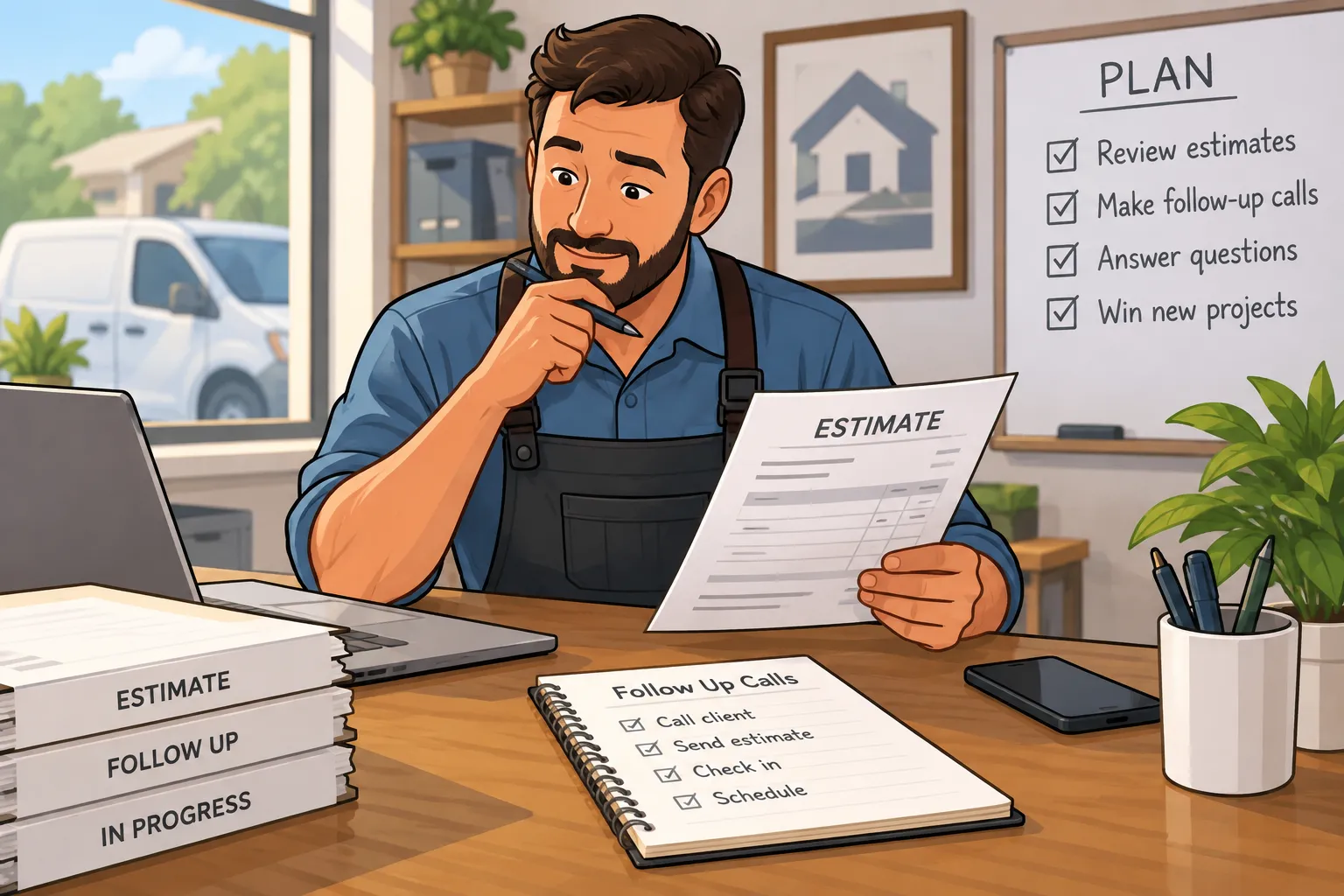
Following up on estimate requests is a critical step for small service businesses seeking to convert inquiries into booked jobs. A clear, organized approach helps maintain customer engagement without overwhelming prospects or wasting effort on unresponsive leads. This guide outlines practical steps to build a follow-up workflow that respects customer preferences, clarifies the estimate scope, and offers useful information at each stage. By assigning ownership to each estimate and tracking responses, your team can focus on meaningful communication and improve conversion rates over time.
Understanding Why Estimates Go Quiet
It is common for customers to become unresponsive after receiving an estimate, even when the initial conversation was positive. Silence does not necessarily mean a lost opportunity. Often, customers are comparing options, waiting for approval from others, or simply busy with other priorities. Recognizing these reasons helps you avoid misinterpreting silence as disinterest and instead focus on providing helpful follow-up messages that address common concerns.
Typical reasons for quiet estimates include unclear scope or pricing, uncertainty about what is included, no clear next step to book the service, or the customer needing more time. A vague follow-up message like 'just checking in' often places the burden back on the customer and may be ignored. Instead, follow-ups should offer clarity, reminders, or useful details that help the customer move forward without pressure.
Building a Practical Follow-Up Workflow
A simple and effective follow-up system revolves around three key decisions: confirming the customer received and understood the estimate, addressing potential concerns, and closing the opportunity respectfully. Many local service businesses find that a seven-day follow-up rhythm balances persistence with respect for the customer’s time and decision process.
A typical sequence might start with a recap message on the day the estimate is sent, summarizing scope, price, validity period, and next steps. A follow-up message two days later can clarify common doubts, such as scheduling details or warranty information. Finally, a message on day seven can close the loop by offering a clear yes, no, or later option, helping you keep your pipeline clean and focused on active opportunities.
Communicating Clearly and Respectfully
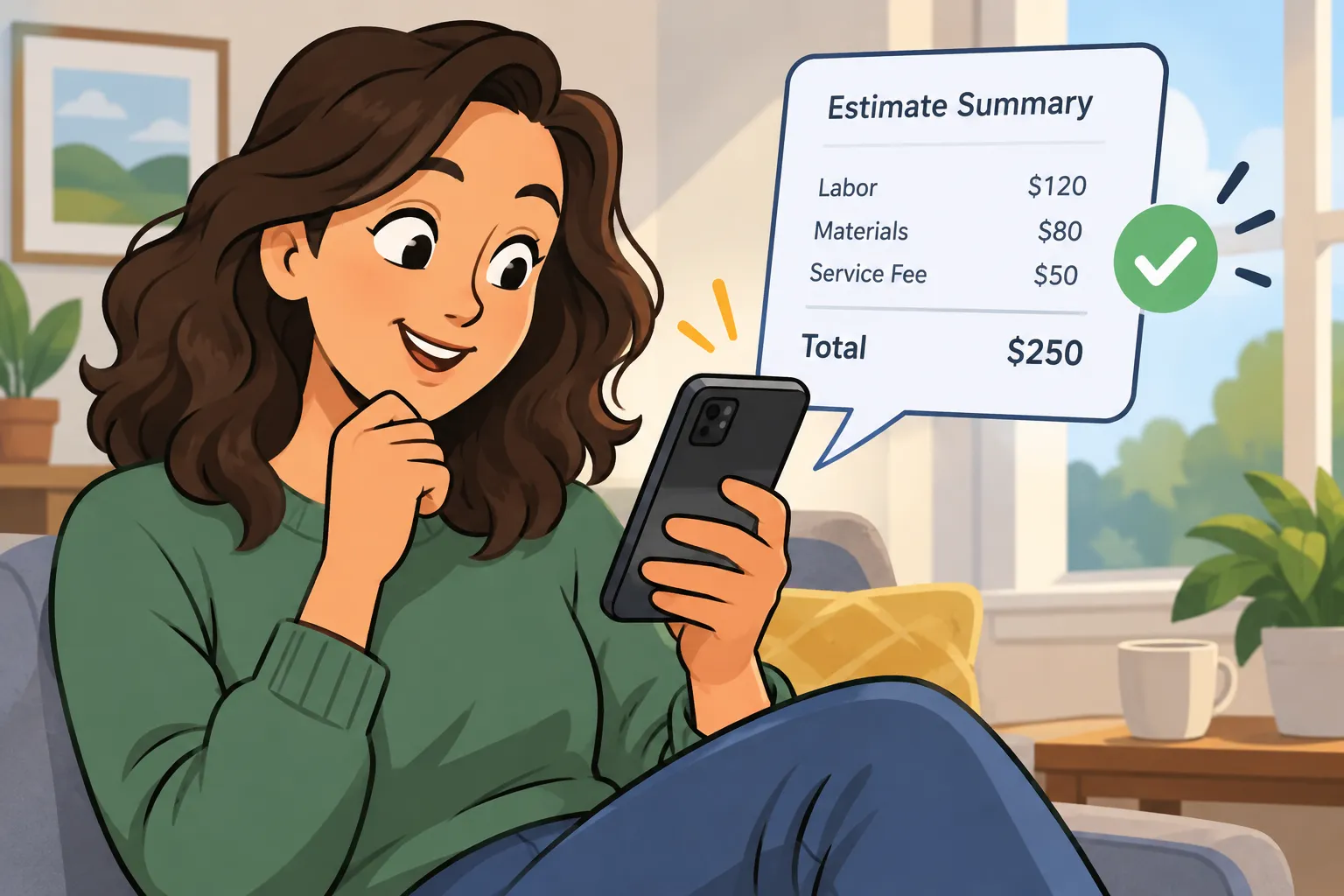
Each follow-up message should add value by clarifying a part of the estimate, answering frequent questions, or providing relevant scheduling information. Avoid generic reminders or unsubstantiated claims about pricing changes. Using plain language and specifying what is included or excluded helps reduce confusion and back-and-forth.
Respecting the customer’s communication preferences and decision timeline is essential. Use the channel the customer prefers, whether text, email, or phone call. If the customer asks to stop contact, honor their request promptly. Recording each contact attempt and customer response in your system helps avoid duplicate messages and missed commitments.
Assigning Ownership and Tracking Progress
Assign one person to own each open estimate. This owner is responsible for monitoring responses, scheduling follow-ups, and updating the status. Tracking key metrics such as estimates sent, response rates, jobs won, and reasons for lost opportunities helps you identify patterns and improve your process.
Organizing estimates in a simple pipeline with stages like sent, delivery confirmed, question received, revision requested, approved, declined, and expired ensures clarity for your team. Setting internal service levels for overdue tasks and escalation paths for high-value estimates maintains accountability and timely communication.
Common questions
How soon should I follow up after sending an estimate?
A good starting point is to send a recap message the same day or next business day, followed by a clarifying message two days later, and a closing message around day seven. Adjust timing based on the job size, urgency, and customer preferences.
What if the customer does not respond after multiple follow-ups?
Limit follow-up attempts to about three or four contacts over two or three weeks, depending on the project. If the customer declines or asks to stop contact, respect their wishes and close the opportunity politely. Keeping a record of all attempts helps avoid unnecessary outreach.
 Contact us on WhatsApp ↗